
M&A Trends – November 2024: Fundraising in Luxembourg and Belgium
Each month, we analyze M&A deals to explore current sector trends. In November, there were a number of fund-raising deals in the fintech, regtech, enterprise solutions, hospitality tech and biotech sectors in Luxembourg and Belgium. Emma, the Luxembourg multi-cloud management platform, raises $17 million RTP Global Partners and Smartfin Capital, two venture capital funds specializing in technology companies, have invested the bulk of the $17 million raised by Emma, a Luxembourg-based start-up. With recurring sales of around €25 million this year, Emma offers a multi-cloud management platform enabling companies to deploy, optimize and manage their cloud infrastructure via a unified interface, while simplifying migrations between different providers. Luxembourg-based fintech and regtech Fundcraft raises €6 million venture capital funds3VC and Middlegame Ventures invest €6 million in Fundcraft. They join Aperture Capital and Six Fintech Ventures, who had already invested €5 million in May 2024 in the first Series A round. Fundcraft, a Luxembourg-based fintech and regtech founded in 2021, automates and simplifies fund managers’ operations via a digital platform that centralizes processes such as complex administrative tasks, reporting and regulatory compliance. Odoo, the Walloon software publisher raises €500 million CapitalG and Sequoia Capital, accompanied by BlackRock and other international investment funds, invest €500 million in Odoo, the Belgian management software provider, now valued at €5 billion. Odoo offers a customizable software platform that enables companies to manage a variety of functions, including sales, accounting, inventory management, CRM and marketing. Lightouse Intelligence, a platform for hospitality professionals, raises $370 million and joins the club of Belgian unicorns KKR, an American investment fund, has invested $370 million in LighthouseIntelligence, a Belgian-English company offering a platform for the hotel industry. Lighthouse Intelligence helps optimize bookings, in particular by providing advice on room rates based on real-time market conditions. The deal with KKR values Lighthouse Intelligence at over one billion euros, making it the fifth Belgian unicorn, alongside Collibra, Team.blue, Deliverect and Odoo. Antwerp biotech Agomab Therapeutics raises €82 million Sanofi, the French pharmaceutical giant, and Invus, an American investment fund, are investing €82 million in Series D alongside other investors already shareholders inAgomab Therapeutics, a Belgian biotech. The funding will be used to support the clinical development of three treatments for fibrostenosing Crohn’s disease, idiopathic pulmonary fibrosis and cirrhosis of the liver. #M&A #Mergers & Acquisitions #Market Trends #Corporate Strategy #Luxembourg #Belgium #France Sources: S&P Capital IQ Pro, Capital Finance, Paperjam, L’Echo, Les Echos
Working capital requirement (WCR): understanding, calculating and negotiating its impact on a company’s sale price

When selling a business, the cash available on the day of the transaction is often included in the calculation of the sale price. The higher the cash position, the higher the selling price, and vice versa. Between the negotiation of the sales price mechanism and the finalization of the transaction, several months can pass, during which cash flow fluctuates. To provide a framework for cash management during this period, and to take seasonal variations into account, a normative level of working capital requirement (WCR) is generally set, which has a direct impact on the final sale price. AKCEAN can help you analyze your company’s financial cycles to determine the appropriate level of WCR, and negotiate it effectively to secure the sale price. 1. What is Working Capital Requirement (WCR) and why is it important? Working Capital Requirement (WCR) represents the cash needed to finance a company’s day-to-day operations. It bridges the gap between cash inflows (customer payments) and cash outflows (supplier payments, social security charges, inventories, etc.). Formula for calculating WCR WCR is calculated from balance sheet data, by calculating the difference between current assets and current liabilities. Based on the main balance sheet items, the formula is as follows: WCR = Inventories Trade receivables Tax receivables – Trade payables – Tax and social security liabilities Example For a company with the following balance sheet items: BFR = 800,000 900,000 50,000 – 400,000 – 150,000 = €1,200,000 In this example, the company needs €1,200,000 to finance its operating cycle. 2. Why negotiate a normative WCR in a transaction? The selling price of a company is often determined by its Enterprise Value (EV), calculated on the basis of a profitability multiple. The final share price is obtained by adding net cash and deducting bank debts to the EV. Any change in cash therefore has a direct impact on the sale price. To compensate for variations in cash flow from operating activities, it is essential to define a normative WCR. This represents a level deemed normal for the company’s working capital requirements, including open invoices (receivables, payables), inventories and tax and social security liabilities. Price adjustment based on normative WCR Normative WCR plays a central role in adjusting the final price of a transaction: Reasons for defining a normative WCR When the pricing mechanism takes into account cash flow on the day of the transaction, defining a normative WCR becomes essential for the following reasons: Opposing interests of buyer and seller Negotiating normative WCR is often a major point of tension between seller and buyer, due to their divergent interests: These divergences underline the importance of a thorough and early discussion of normative WCR, ideally from the earliest stages of the transaction. The Letter of Intent (LOI), which formalizes the broad outlines of the agreement between the parties, is a strategic moment for setting this parameter and avoiding disagreements at later stages. 3. How is normative WCR defined? Normative WCR is a key element in negotiating a balanced transaction, as it reflects the company’s real financial requirements. Common calculation methods Integration of financial cycles Why is a rigorous methodology essential? 4. Example of the application of WCR in an M&A transaction The impact of WCR on the sale price can be significant. Here’s a practical illustration to help you understand how it is incorporated into the final price calculation. Let’s assume that the buyer and seller agree on a valuation of the company based on an Enterprise Value/EBITDA multiple of 5x, with a normative WCR set at 10% of annual sales. The company generates an EBITDA of €4 million, which sets its valuation at €20 million (Enterprise Value or “EV”). The latest available financial data show As the WCR of €1.2 million is higher than the normative WCR of €1.0 million (10% of sales), the difference of €0.2 million is in favor of the seller. The provisional price of the shares, stipulated in the sale agreement and paid by the purchaser at the time of the transaction, is calculated as follows: Provisional share price = EV – Bank debts Cash position WCR adjustment = 20 – 3 2 0.2 = €19.2 million A few months later, the financial statements drawn up on the transaction date were finalized, revealing the following situation: This time, as the final WCR of €0.8 million is lower than the normative WCR of €1.1 million (10% of sales), the difference of €0.3 million is in the purchaser’s favor. The final share price is therefore determined as follows: Final share price = EV – Bank debt Cash position WCR adjustment = 20 – 3.1 2.1 – 0.3 = €18.7 million The seller must therefore reimburse the buyer €0.5 million (19.2 – 18.7). This example illustrates the significant impact that WCR adjustment can have on the final transaction price, particularly when it is not properly controlled. 5. Working capital adjustment vs. lock-in box: which mechanism to choose? Another pricing mechanism, known as the “Locked Box”, consists in setting the sales price upstream, without adjusting the company’s cash flow. The choice between the WCR adjustment and the Locked Box depends on the company’s financial situation, the parties’ risk tolerance, and the complexity of the adjustments required. Working capital adjustment: a price based on actual cash flow The working capital adjustment is based on the actual cash position at the transaction date. This mechanism aims to accurately reflect the company’s financial situation and define a fair valuation for both parties. The sale price is adjusted according to the cash available at the time of the transaction, taking into account open invoices (trade receivables and payables), inventories and tax and social security liabilities. To reach an agreement between seller and buyer, it is important to define a realistic normative WCR from the outset of negotiations. A precise analysis of seasonal cycles and cash flows helps to anticipate disagreements during discussions and avoid surprises after the transaction. The Locked
M&A trends – October 2024: mergers and acquisitions in Luxembourg, France and Belgium
Each month, we analyze major M&A transactions to highlight key market trends, particularly in Luxembourg, France and Belgium. Discover below the selected transactions for October, offering a glimpse of strategic moves in various sectors such as traceability technologies, construction, automotive distribution, renewable energies and retail. 1. 4i joins DatAction: leader in traceability in Benelux 4i, a Luxembourg-based specialist in barcode and RFID-based traceability technologies, has joined forces with the Dutch DatAction group to form the leading provider of traceability solutions in the Benelux. This acquisition strengthens DatAction’s offering and extends its market footprint. AKCEAN acted as M&A advisor to 4i’s shareholders, consolidating its role as a strategic partner for M&A transactions in the technology sector. 2. Costantini strengthens its expertise in sustainable construction Constantini, a major player in Luxembourg’s construction sector, has made several strategic acquisitions. By integrating CZC and its sister companies EcomatLux and Ecomathome (Belgium), specialists in timber frame and construction, andArt Metal Design, a specialist in metal structures, Constantini has broadened its expertise in these two fields. 3. Bilia expands its automotive network in Luxembourg The Swedish group Bilia, one of Europe’s leading automotive distributors, has strengthened its presence in Luxembourg with the acquisition of the BMW Schmitz dealership in Mersch. Bilia, already present on the Luxembourg market since the acquisition of the Emond group’s BMW and Mini dealerships in 2016, consolidates its strategic position in the premium vehicle segment. This acquisition reflects the interest of international players in the Luxembourg automotive sector, where demand for premium vehicles remains strong. 4. Oraxys invests in renewable energies with Optimum Tracker Luxembourg-based investment fund Oraxys, which specializes in environmental sectors, has injected 10 million euros into Optimum Tracker, a leading French company in control technologies for solar and agrivoltaic power plants. This financing will enable Optimum Tracker to strengthen its international expansion, particularly in the US market. This investment underlines the growing attractiveness of the renewable energies sector to investors, in response to the demands of the energy transition and global ambitions in terms of sustainability. 5. Colruyt Group strengthens its position in the Belgian supermarket sector Colruyt Group has acquired Delitraiteur from Louis Delhaize Group, strengthening its position in the Belgian supermarket sector. With this acquisition, Colruyt integrates a chain specialized in convenience products and fast food, responding to changing consumer habits. Sources: S&P Capital IQ Pro, Capital Finance, Paperjam, L’Echo, Les Echos, Fusacq
Valuation multiples – Q3 2024

When it comes to valuing a company, the comparables method is often used, especially for established businesses. It consists in determining the value of the company in relation to other similar businesses, in particular by considering their profitability. Although the best comparison is the multiple at which a similar company has recently sold, publicly listed companies, whose financial data is publicly available, offer an interesting point of reference for establishing valuation multiples for SMEs (small and medium-sized enterprises). The multiples observed on the stock market are generally adjusted downwards to take account of differences in size, increased operational risk and the lower liquidity of SME shares compared with listed companies. Discover the multiples by business sector that we have compiled below as at September 30, 2024.
Success – 4i joins DatAction to create the Benelux leader in traceability solutions
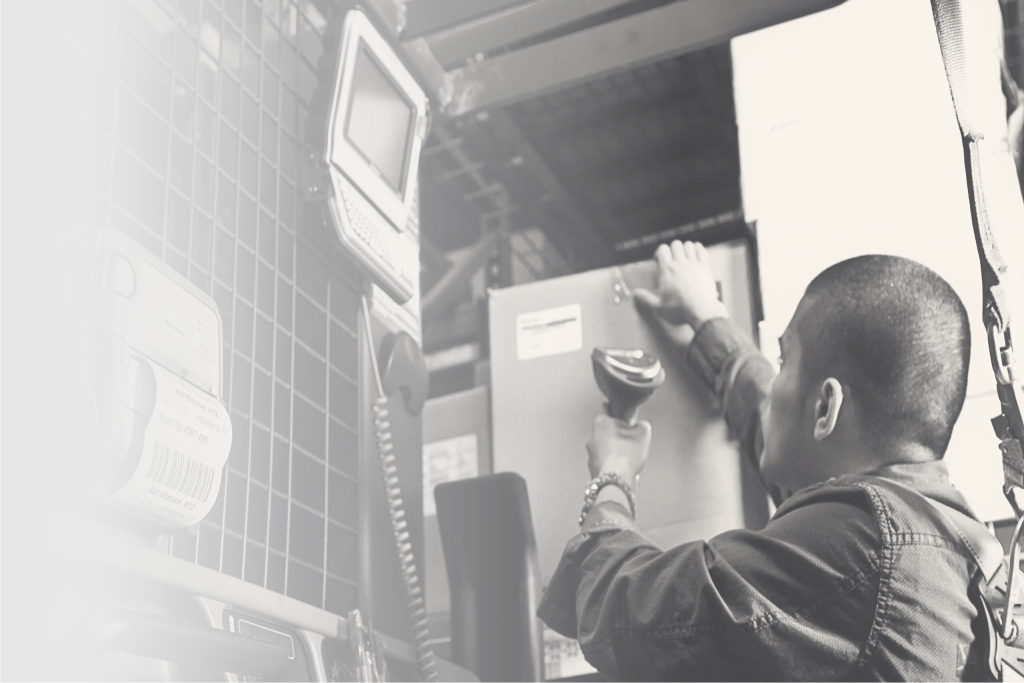
AKCEAN, M&A advisor to the shareholders of 4i, has supported the Luxembourg-based company specializing in traceability solutions in its merger with the Belgian-Dutch group DatAction, a key player in logistics automation. The merger reflects the joint ambition of the two companies to create the leading provider of traceability and automatic identification solutions in the Benelux market. 4i : Luxembourg’s leader in traceability solutions Based in Steinfort, 4i is Luxembourg’s leading provider of traceability and automatic identification solutions, based on barcode and RFID technologies, with an extensive presence in France and Belgium. The company offers a complete range of services, including the development of traceability software, as well as the marketing, installation and maintenance of portable terminals (barcode readers) and printers. Its solutions are mainly geared to the needs of the healthcare, transport, industrial, retail and postal services sectors. DatAction: A major player in logistics digitization in the Netherlands and Belgium The DatAction group, based in the Netherlands and Belgium, is a leading player in the digitization and automation of logistics flows. DatAction develops integrated hardware and software solutions, mainly dedicated to the automation of warehouses and logistics processes, with recognized expertise in key accounts. The group supports its customers in optimizing their supply chain, enabling them to gain in efficiency and competitiveness. A strategic alliance to boost innovation and growth François Dolisy, Managing Director of 4i, comments:“This integration is a tremendous opportunity for 4i. By joining DatAction, we are strengthening our capacity for innovation and our added value for our customers. The synergies between our teams are obvious, particularly in terms of technical skills. This merger will enable us to pursue our quality approach, while opening up new prospects for our employees. We would like to thank the AKCEAN team for their support throughout this operation, which has enabled us to find the ideal partner to fully support our growth ambitions. ” Jan Doclo, CEO of DatAction, adds: ” This merger is a strategic step that will enable us to become the leading provider of traceability and automatic identification solutions in the Benelux. 4i’s expertise in the Luxembourg market and in the healthcare sector perfectly complements our core activities. This will enable us to offer even more comprehensive solutions tailored to the specific needs of our customers, while accelerating our growth. ” AKCEAN’s role in the transaction As a disposal and acquisition consultancy, AKCEAN handled the entire transaction process on behalf of 4i’s shareholders. We drew up the disposal strategy, carried out the valuation of the company, drafted the presentation file and compiled the necessary documentation. We identified and contacted companies likely to support 4i’s development through capital investment. We then orchestrated the negotiations and coordinated all the audits and the work of the legal advisors to bring the transaction to a successful conclusion. Our mission was to actively defend the interests of our clients, while ensuring a balanced transaction that created value for all parties. Sell-Side team : – M&A advisor: AKCEAN, Thibault Vittet – Legal counsel: GSK Stockmann, Anna Gassner
M&A Trends – September 2024
Each month, we present you with a selection of M&A transactions that allow you to decipher industry trends. Here are the transactions we have selected for September: Aricoma has acquired Neofacto, a Luxembourg-based company specializing in IT services and support for the digitalization of financial institutions. This acquisition is part of the expansion strategy of Aricoma, a Czech IT company owned by the KKCG investment group, aimed at strengthening its presence in Benelux. Andera Partners, a private equity fund, and Wallonie Entreprendre, a public fund, invest €17 million in Series A in Skysun, a Belgian company specializing in solar energy. Skysun installs photovoltaic power plants enabling the electricity produced to be either self-consumed or redistributed to the electricity grid. Angular Ventures, with the participation of Contrarian Ventures, invests in Beebop.ai, a Belgian start-up specializing in AI-based energy management. The company raised $5.5 million in its first round of financing. It develops software that enables consumers to optimize the use of their domestic appliances (energy storage, heat pumps, electric vehicle chargers) to consume electricity when it is abundant and green, or to support the power grid when needed. Belfius, the Belgian bank, invests in Alan, a French unicorn specializing in health insurance, as part of its €173 million Series F funding round, valuing the company at €4 billion. This strategic partnership will enable Belfius to offer Alan health cover to its employees and customers. A pioneer in insurtech, Alan stands out for its fluid user experience and near-instantaneous reimbursements. DSV, a Danish transport operator, has acquired DB Schenker, until now a subsidiary of the German rail company Deutsche Bahn. The acquisition, which values DB Schenker at €14 billion, is designed to strengthen DSV’s position in the European logistics market. The DSV/Schenker group becomes the world’s number one freight forwarder, ahead of Switzerland’s Kuehne & Nagel. Sources: S&P Capital IQ Pro, Capital Finance, Paperjam, L’Echo, Les Echos #M&A #Mergers & Acquisitions #Market trends #Corporate strategy #Luxembourg #Belgium #France #Germany
Selling a business: how can a specialist advisor optimize the sale?

Selling a business is an important decision, requiring expertise in financial, tax and legal matters. The sale process is complex and includes several key stages: preparing a presentation file, identifying and contacting qualified acquirers, negotiating a preliminary offer, coordinating audits carried out by the acquirer, and finally formalizing the legal agreement until the transaction is finalized. Calling on a firm specializing in mergers and acquisitions (M&A) enables you to benefit from support at every stage, while optimizing the value of the transaction and reducing risks. 1. Secure the transaction and reduce risks Selling a company without support can expose you to a number of risks. Working with an M&A advisor offers you the expertise you need to approach the process more serenely. Pro-active anticipation: a comprehensive pre-sale evaluation, based on a pre-sale diagnosis, enables you to identify and deal with negotiation points at an early stage. Up-to-date documentation: gathering and updating key company documents facilitates due diligence and enables us to respond effectively to buyers’ requests during their audits, thus speeding up the process. Factual presentation file: a clear and precise presentation file highlights the company’s strengths and financial performance, and justifies accounting adjustments (management salaries, non-recurring expenses, etc.). This document must include all the essential information needed to enable a buyer to make an offer. Access to specialist advice: working with trusted financial, tax and legal advisors ensures that every aspect of the transaction is handled professionally. Anticipation of sensitive issues: professional guidance enables us to anticipate the complex issues involved in setting the price mechanism, and to rapidly negotiate the terms and conditions of the transaction, including the required representations and warranties, which are formalized in the letter of intent. 2. Maximizing company value Specialized advice helps to maximize the value of the transaction by identifying the best buyers and creating a competitive dynamic. Identifying buyers: an extensive network and specialized databases enable us to target the most relevant national and international buyers. Realistic valuation: a precise evaluation of the company based on its financial performance and market conditions enables us to establish a solid and realistic basis for negotiation. Competitive dynamics: involving several potential purchasers encourages competition and increases bids. Optimized conditions of sale: the terms of the transaction, such as payment, post-sale support and guarantees, are carefully negotiated. 3. Save time and focus on the essentials Selling a business can be a long and demanding process. Entrusting this responsibility to specialists allows you to concentrate on the day-to-day running of the business, while optimizing your chances of success. Optimized preparation: business transfer specialists take charge of document analysis and the preparation of a complete dossier, tailored to the expectations of the buyers. Efficient, targeted negotiations: meeting only qualified buyers, already briefed by the team in charge of the transaction, avoids superfluous discussions. Smooth coordination: a dedicated expert ensures effective management of interactions between all stakeholders (buyers, lawyers, trustees, tax specialists and in-house teams), making the process smoother while maintaining the buyers’ interest. 4. Protecting confidentiality Discretion is essential to protect the company’s interests throughout the sale process. Discretion: a code name is assigned to the company, and only summary, anonymous documents are shared with potential buyers at first. Confidentiality agreements: detailed information and the company’s identity are only disclosed once a confidentiality agreement has been signed. Data protection: sensitive information is shared only after the preliminary offer has been negotiated, via a secure data-room. 5. Sell with confidence Professional support every step of the way ensures a smooth sale. Rigorous follow-up: attentive support at every stage, with appropriate advice, helps to avoid pitfalls and bring the transaction to a successful conclusion as smoothly as possible. Expertise and network: the experience and network of a business transfer professional can help you manage the complexities of tax, legal and financial matters. Harmonious relations with the purchaser: delegating sensitive negotiations enables you to maintain good relations with the purchaser, promoting a smooth transition. Choosing a partner specialized in M&A maximizes the chances of success, while reducing the risks involved in the sale process. Entrusting the complex aspects to specialists allows you to concentrate on the day-to-day running of the business, and ensure a secure, optimized transaction carried out with complete peace of mind. Last update: September 11, 2024
M&A Trends – July 2024
Each month, we present you with a selection of M&A transactions, enabling you to decipher industry trends. Here are the transactions we have selected for July in Luxembourg, Belgium and France: Louyet, a Belgian automotive group, takes over the automotive activities of the Luxembourg-based Arnold Kontz group, including its six Jaguar, Land Rover, Aston Martin and Lotus dealerships in Luxembourg. Louyet has around 20 sales outlets in Belgium, mainly BMW and Mini dealerships, employs 603 people and has sales of €666 million in 2023. Arnold Kontz, meanwhile, is refocusing on soft mobility, keeping its bicycle stores. Wargaming (creator of the famous game World of Tanks), Constructor Capital and Han River Partners invest $60 million in Series A in GCore, a Luxembourg-based company specializing in IT infrastructure, to accelerate in the AI sector. GCore has been developing cloud solutions since 2015, offering a global IT infrastructure on six continents with a network of over 180 points of presence. Initially developed for online gaming, GCore’s infrastructure is now used to train artificial intelligence models, requiring significant computing power. BPCE, France’s second-largest banking group, acquires Nagelmackers, Belgium’s oldest bank founded in 1747, from Chinese conglomerate Anbang. Nagelmackers has €4.8 billion in assets under management and around 50 branches, and in recent years has specialized in services for high-net-worth clients and large institutional investors. This acquisition enables BPCE, which has been present in Belgium for ten years via its Caisse d’Epargne Belgium branch, to broaden the scope of its activities in Belgium. Ardian, the French investment fund, is taking over the activities of Magimix and Robot-Coupe, two iconic French food processor brands owned by the de Jenlis family. The two brands are valued at €1.5 billion, or between 12.5x and 13.6x EBITDA. Ardian was in competition with industrial groups such as Seb, and other funds such as PAI Partners and CVC. Emmi, the Swiss dairy giant, acquires the French group Mademoiselle Desserts, specialized in frozen pastries for professionals. With sales of €420 million, Mademoiselle Desserts was previously owned by the IK Partners fund. The company is valued at almost €900 million, corresponding to a multiple of over 12 times EBITDA. Sources: S&P Capital IQ Pro, Capital Finance, Paperjam, L’Echo, Les Echos #M&A #Mergers & Acquisitions #Market trends #Corporate strategy #Luxembourg #Belgium #France
Valuation multiples – Q2 2024
When it comes to valuing a company, the comparables method is often used, especially for established businesses. This involves determining the company’s value in relation to that of other similar businesses, in particular by considering their profitability. Although the best comparison is the multiple at which a similar company has recently sold, publicly listed companies, whose financial data is publicly available, offer an interesting point of reference for establishing valuation multiples for SMEs (small and medium-sized enterprises). The multiples observed on the stock market are generally adjusted downwards to take account of differences in size, increased operational risk and the lower liquidity of SME shares compared with listed companies. Discover the multiples by business sector that we have compiled below as at June 30, 2024.
M&A trends – June 2024
Each month, we present you with a selection of M&A transactions that allow you to decipher industry trends. Here are the transactions we have selected for June: Robinhood, an American trading platform, acquires Bitstamp, one of Europe’s leading cryptocurrency exchange platforms, headquartered in Luxembourg, for €187 million. This acquisition enables Robinhood to diversify its cryptocurrency-related offering and open up to the European market. In 2016, Bitstamp had become the first cryptocurrency exchange platform to be licensed as a financial institution in Luxembourg, where it employs around 60 people. Indosuez, a subsidiary of the French banking group Crédit Agricole, finalizes the acquisition of Degroof Petercam, Belgium’s largest private investment bank. Also present in Luxembourg, Degroof Petercam has over €75 billion in assets under management. Indosuez now controls 65% of the capital, and CLdN Cobelfret, a Belgian-Luxembourg logistics group and long-standing shareholder, holds almost 20%. EQT, a Swedish investment fund, acquires CluePoints, a Belgian company specializing in the detection of errors and fraud in clinical trials. Based in Louvain-la-Neuve, CluePoints generated sales of €16 million in 2022 for its Belgian entity, and is valued at over €500 million through this transaction. EQT becomes the majority shareholder by acquiring the shares of the American fund Summit Partners. Certain shareholders, including Wallonie Entreprendre, Invest.BW and the Theodorus fund, took advantage of this transaction to exit the capital. This is the largest M&A deal in Wallonia this year. Gedeon Richter, Europe’s second-largest women’s medicine group based in Hungary, has acquired two entities of Mithra, a bankrupt Belgian company in the same sector, for €175 million. The acquired entities, Neuralis and Estetra, are responsible for activities linked to the production and marketing of estetrol, an active ingredient used in the Estelle contraceptive pill, and those linked to Donesta, an experimental drug against the adverse effects of menopause. Schréder, the Belgian group and world leader in intelligent outdoor lighting solutions, acquires Ligman Lighting USA, a major player in the North American lighting market. Schréder, founded in Liège in 1907, has been present on the American market since 1992, and today operates in over 70 countries worldwide. Mistral AI announces a new €600 million round of financing. The French competitor to ChatGPT has raised its third round of funding in less than a year (over €1 billion raised) and is now valued at almost €6 billion. Previous investors (General Catalyst, Lightspeed Ventures, Bpifrance) have gone back into the pot, accompanied by new entrants (Nvidia, Samsung, Cisco, IBM, Eurazeo, Korelya among others). Metz-based materials handling equipment rental specialistManuloc acquires Axialease, a French leasing company specializing in the IT, capital goods and medical markets. Axialease, based in the Paris region, offers financial leasing solutions for smartphones and tablets, and has sales of €90 million in 2023. With this acquisition, Manuloc, which has sales of €430 million and is backed by its minority shareholder CM-CIC Investissement, is diversifying its activities by taking advantage of Axialease’s expertise in financial leasing. TA Associates and Montagu Private Equity, two investment funds, join forces to acquire Harvest, a French software publisher for wealth management professionals, previously owned by the Five Arrows fund. Harvest generates sales of around €70 million and employs over 500 people. The transaction would have been carried out on the basis of a 20x Ebitda multiple, i.e. around €500 million. Sources: S&P Capital IQ Pro, Capital Finance, Paperjam, L’Echo, Les Echos #M&A #Mergers & Acquisitions #Market trends #Corporate strategy #Luxembourg #Belgium #France #United States